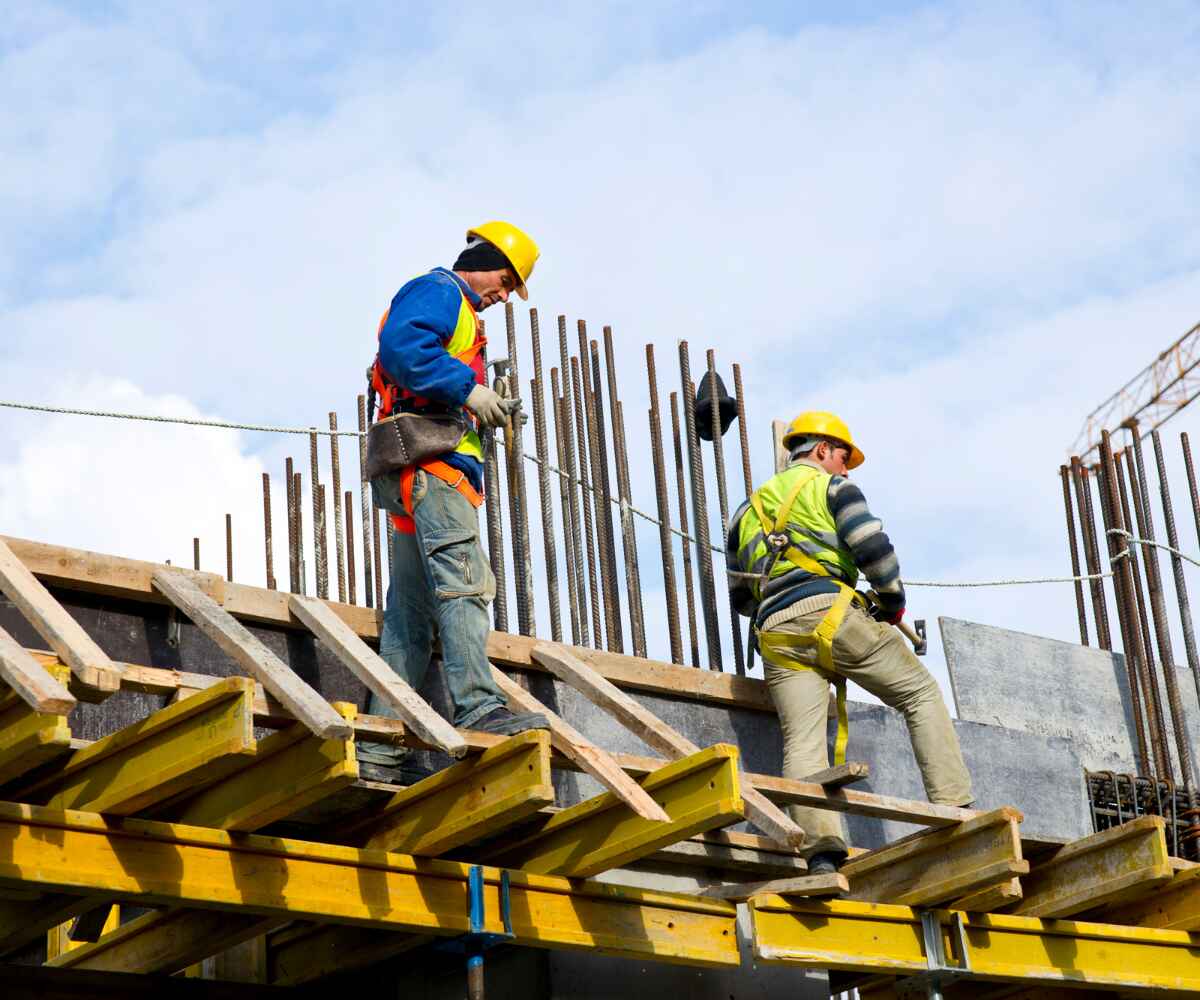

Choosing between steel framing and wood framing depends on the project, but steel is quickly becoming the preferred option.
Wood framing is more traditional and can be lower cost upfront. However, it is vulnerable to moisture, pests, and warping, which can lead to long-term issues. Steel framing offers better durability and consistency. It does not shrink or crack, helping maintain the quality of finishes like drywall and flooring.For larger residential and commercial projects, steel provides stronger performance and fewer long-term problems.
Benefits of Cold-Formed Steel for Residential Construction
Cold-formed steel (CFS) is becoming a strong choice for residential construction due to its reliability. Steel creates straighter walls, fewer cracks, and better structural performance over time. It also eliminates risks from termites, mold, and moisture damage, which are common in wood-framed homes. Another advantage is design flexibility. Steel allows for longer spans and open layouts without compromising strength. For builders, it means faster installation and fewer callbacks. For homeowners, it means a more durable home.
Why Builders in Texas Are Switching to Steel Framing
Builders in Texas are increasingly choosing steel framing due to environmental conditions and project demands. Steel performs better in high winds, storms, and extreme heat, making it more reliable in Texas climates. It also improves efficiency on job sites, allowing faster construction and better coordination. With higher building standards and long-term durability needs, steel framing is becoming the preferred choice across the state.
Common Mistakes in Steel Framing Installation
Steel framing requires precision, and mistakes can impact the entire structure. One common issue is incorrect layout, which affects alignment throughout the project. Improper fastening or missing connections can weaken structural integrity. Lack of coordination with other trades can also lead to delays or rework. Working with experienced crews helps avoid these mistakes and ensures quality results. How to Choose the Right Framing Contractor
Choosing the right framing contractor is critical for a successful project. Look for contractors with experience in steel framing, not just general construction. Review past projects and check for consistency, timelines, and quality. Strong communication and coordination with other trades are also important. A reliable contractor focuses on precision, efficiency, and delivering results on schedule. What to Expect During a Framing Project